Wheel Spacers in 2026: What You Need to Know
A practical look at how spacers affect fitment, handling, and whether they're right for your setup.
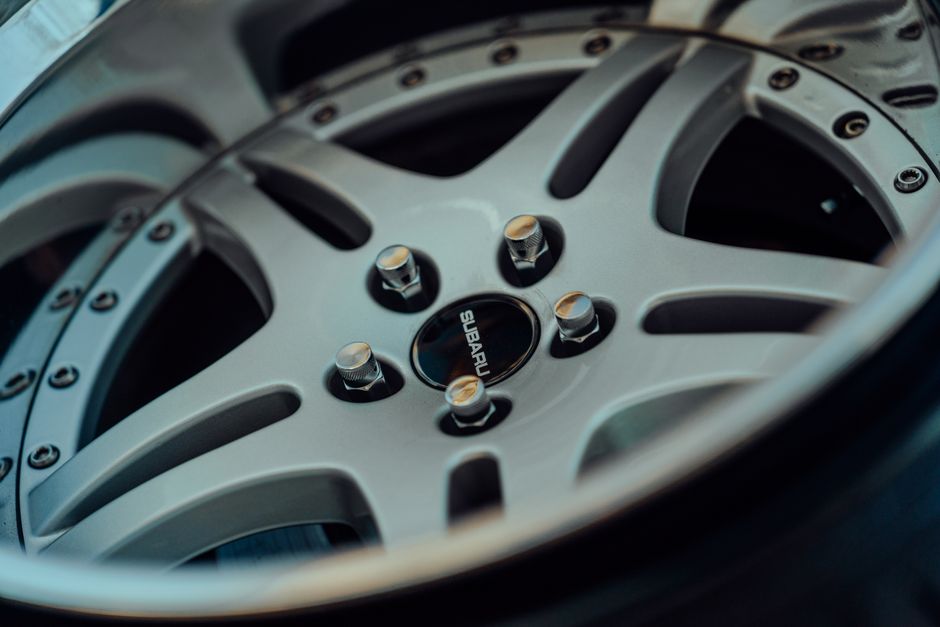
Wheel spacers sit between your hub and wheel, pushing the wheel outward. They're simple parts—usually aluminum or steel—but they carry misconceptions.
Some drivers swear by them for fitment and stance. Others worry about stress and safety. The reality falls somewhere practical.
This piece breaks down what spacers actually do, the trade-offs to consider, and whether 2026's wheel market makes them more or less relevant.
Why drivers use wheel spacers
The most common reason is fitment. A wider wheel track can clear brake calipers or suspension geometry that sits too close to the existing wheel face.
Spacers also address aesthetic desire—pushing wheels further out changes a car's stance and can fill fender gaps. That look appeals to many owners.
Less visible but important: spacers can improve handling balance on some suspension setups by widening the effective track width, which reduces body roll during cornering.
They're cheap compared to buying a new wheel set. A pair of quality spacers costs $50–$150, whereas new wheels often run thousands.

Spacer specs that matter
The downsides and real risks
Wheel bearings experience increased lateral load with spacers. Over time, that can shorten bearing life, especially on thicker spacers (15mm+).
Suspension geometry shifts. Camber, caster, and scrub radius all change when wheels move outward. Road & Track's wheel guide notes that careless offset changes can hurt cornering feel and tire wear.
Installation is critical. Bora Wheel Spacers and quality competitors provide torque specs, but many DIY builds skip proper torque-wrench use, leading to loose wheels or uneven clamping.
Thicker spacers also move the wheels further from the chassis, increasing unsprung mass and potentially affecting ride quality and braking response.
Spacers: when they make sense and when they don't
Strengths
- Solves clearance issues without replacing suspension or wheels.
- Affordable—$50–$150 for a quality pair.
- Can improve handling balance on wider track widths.
- Allows fitment of aftermarket wheels that wouldn't otherwise fit.
- Quick install on most vehicles—no special tools beyond a jack and torque wrench.
Trade-offs
- Accelerates wheel bearing wear, especially at 15mm+.
- Alters suspension geometry and may require alignment adjustment.
- Poor installation (loose bolts, wrong torque) is a safety risk.
- May require fender rolling or other bodywork to avoid rubbing.
- Changes unsprung mass, which affects ride and brake feel.

The 2026 landscape
Modern aftermarket wheel choices have expanded. Offset and width options that once required spacers are now available in finished wheels, cutting the need to modify factory geometry.
EV platforms are also shifting the calculus. Electric vehicles have different weight distribution and suspension tuning than traditional cars. Spacers interact unpredictably with regen braking and regenerative suspension.
Adaptive suspension and active geometry systems on high-end cars may conflict with spacer installation. Many OEMs don't calibrate those systems for modified track widths.
That said, spacers remain useful for older cars, vehicles with narrow factory offsets, and anyone chasing a specific visual aesthetic without spending four figures on new wheels.
Installation and inspection fundamentals
If you decide spacers are right for your build, buy quality components matched to your car's specifications.
Use a torque wrench. Hand-tightening is not acceptable—bolts must meet your vehicle's OEM spec, typically 80–130 lb-ft depending on the car.
After installation, have a shop check your wheel alignment and bearing runout. A few hundred dollars in inspection can save thousands in premature failure.
Inspect the spacers and bolts every 10,000 miles for the first 30,000 miles. After that, annual inspection during tire rotation is sufficient.
The verdict
Wheel spacers work. They're simple engineering and effective for fitment and stance.
But they're not a free upgrade. Bearings wear faster, geometry shifts, and installation mistakes carry real consequences.
In 2026, with wider wheel selections and better OEM offsets available, spacers solve a narrower set of problems than they did five years ago.
If you need clearance, can't find the wheel you want in your offset, and commit to proper installation and maintenance, spacers make sense. Otherwise, exploring aftermarket wheel options first may save you hassle and extend component life.