Auto Industry Shifts in 2026 You Need to Track
From regulation reshuffles to supply-chain pivots, here's what actually moved the needle this year.
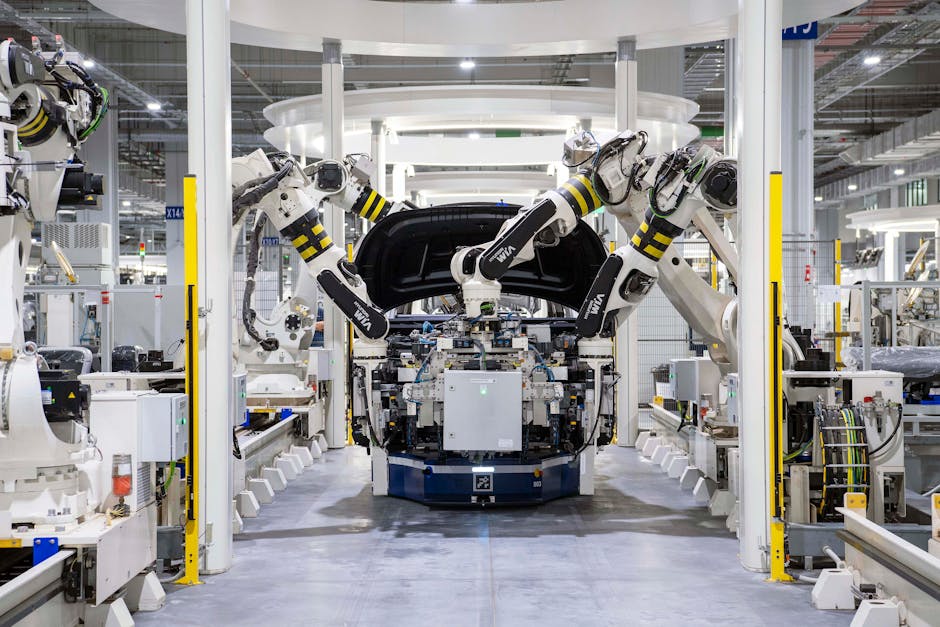
2026 didn't arrive with fanfare, but the auto industry shifted beneath the surface in ways that matter for drivers, makers, and dealerships alike.
Regulatory momentum, material scarcity, and consumer behavior all bent the trajectory this year — some expected, some not.
Battery supply finally tightened
Lithium and cobalt shortages that felt hypothetical in 2025 became concrete production headaches by mid-2026.
Mining capacity in key regions stumbled, driving prices upward and forcing battery makers to compete harder for raw material.
This ripple hit EV pricing strategies across the board. Manufacturers that had banked on steady material flows learned that assumption was fragile.
According to the International Energy Agency, the mismatch between demand and extraction capacity will persist for years.
Five regulatory turns that reshaped the year
1. Emissions standards tightened in major markets
The EU and California pushed stricter tailpipe rules, compressing timelines for combustion phase-out across their territories.
2. Right-to-repair rules gained teeth
Legislation moved from concept to enforcement, requiring OEMs to open diagnostic and parts access to independent shops.
3. Autonomous vehicle testing expanded
Geofencing and permitting frameworks relaxed in select U.S. states, allowing wider real-world validation of self-driving fleets.
4. Used-car import caps shifted
Several countries adjusted tariffs on imported vehicles, reshaping which markets domestic automakers could easily access.
5. Labor agreements reset wages and EV investment
Contract negotiations in North America locked in higher wages and explicit EV manufacturing commitments from legacy makers.

Consumer appetite diverged by region
EV adoption rates plateaued in some Western markets while surging in Asia, creating a two-speed narrative for the industry.
Used-car prices stabilized after 2023–2025 volatility, signaling market normalization rather than froth.
Subscription services struggled to gain mainstream traction; buyers still preferred outright purchase or traditional lease.
Semiconductor shortages eased in 2026, but demand from autonomous-vehicle hardware and advanced driver-assistance systems created new pinch points in specialized chip categories.
2026 snapshot: Industry metrics that moved
What this means for 2027 and beyond
The industry locked in strategic bets this year that will play out over the next 18 months.
Legacy automakers doubled down on EV investment to meet regulatory deadlines, even as used-EV markets remained soft.
Supply-chain resilience became a boardroom priority; vertical integration and nearshoring initiatives accelerated.
For drivers, the punchline is simpler: more EV choices, higher entry prices, and a creeping expectation that software updates and digital services matter as much as the powertrain itself.
The automotive trade press spent most of 2026 wrestling with the same question: Can automakers stay profitable while funding the EV transition? The answer remains unresolved.
The year in hindsight
2026 felt incremental from month to month but delivered real structural change once you map the full year.
Regulation tightened, supply chains buckled, and consumer behavior sorted itself into clearer patterns — all the pieces that will define competition through the rest of the decade.