What's Changed in Car Battery Performance Since 2026
Modern batteries demand smarter maintenance and earlier intervention than older chemistries.
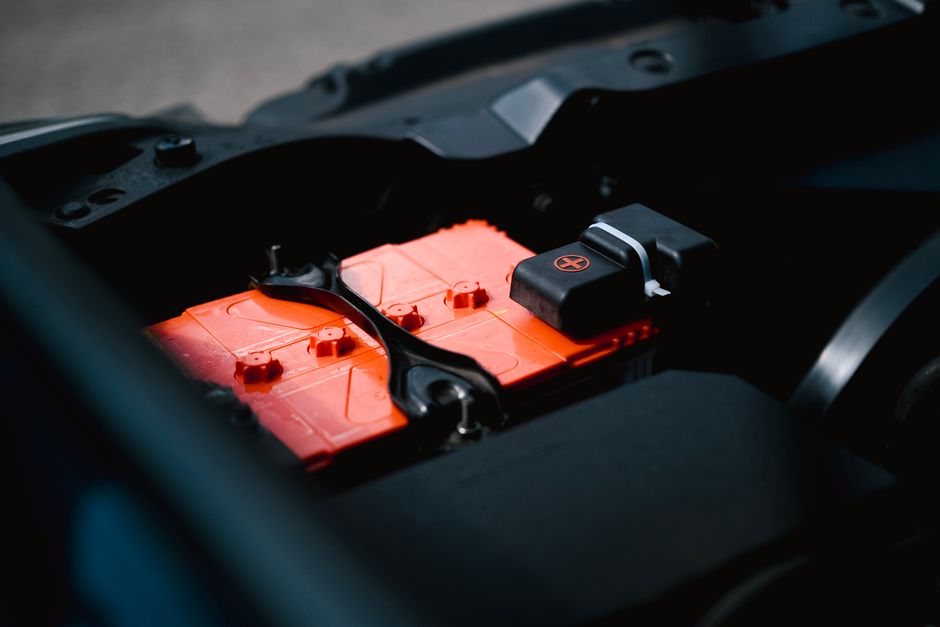
Car batteries have evolved faster in the last five years than in the previous two decades. Chemistry, thermal management, and charging protocols have all shifted—yet most owners still treat them like the lead-acid boxes of 2010.
The modern battery isn't just a starter; it's a system. Understanding what changed helps you keep one running well.
Battery Chemistry and Cold Cranking Amps
Lithium-ion hybrids and the rise of stop-start engines pushed manufacturers to rethink battery internals. Cold cranking amps (CCA) ratings now matter less than they did; instead, absorption rates and discharge curves tell the real story.
The Department of Energy notes that modern alternators and engine computers manage charge cycles more precisely than older on-off regulators. A battery sitting in your trunk doesn't degrade the way it used to.
That said, fast discharge during short trips—common in urban driving—stresses newer batteries differently. A 15-minute commute forces the battery to work harder than a 30-minute highway run, even if both deliver the same total amp-hours.

Performance Benchmarks That Matter in 2026
Why Temperature Management Now Dominates
Heat kills modern batteries faster than cold. Thermal runaway protection, insulation jackets, and smart cooling loops have become standard on vehicles with advanced on-board computers.
An SAE battery standard revised in early 2024 now requires automakers to report thermal-cycling durability. That shift reflects real-world failure patterns: a battery left in a hot car all summer decays more than one in a temperate garage.
An Acdelco battery designed for modern vehicles includes passive thermal barriers that were optional on older units. The upgrade cost is modest; the longevity gain is measurable.
Top Maintenance Moves for Modern Batteries
1. Check Voltage Before Symptoms
Don't wait for a slow-crank morning. A voltmeter reading under 12.6V at rest signals decline. Modern batteries fail fast once degradation starts.
2. Keep Terminals and Posts Clean
Corrosion now blocks data lines to onboard monitors. A corroded connection triggers fault codes that don't always scream 'battery problem.'
3. Avoid Repeated Short Trips Without Recharge
Stop-start systems expect the alternator to fully recharge during longer drives. Constant drain-and-trickle cycles age batteries faster.
4. Test Load Capacity Annually After Year 3
A load test under 25 amps reveals reserve capacity better than voltage alone. Most shops charge $20–40; it's cheaper than a roadside failure.
5. Replace on Schedule, Not Just Failure
Modern batteries don't telegraph decline the way older ones did. Plan replacement between years 4–6, depending on climate and driving.
If your car sits for weeks, disconnect the negative terminal to stop parasitic drain. Modern vehicles draw 30–50mA even parked—enough to flatten a battery in 4–6 weeks.
Warranty and Long-Term Reliability Shifts
Battery warranties have tightened. Most OEM warranties now cover 3 years or 36,000 miles, down from 5-year coverage a decade ago. Manufacturers confidently sell shorter terms because failure rates during that window have dropped.
Hybrid and plug-in hybrid auxiliary batteries (12V units separate from the main traction pack) often outlast expectations. The National Highway Traffic Safety Administration hasn't seen a spike in mid-life battery failures, suggesting that thermal and charging improvements worked.
The Bottom Line
A 2026 car battery isn't tougher—it's smarter. Proactive monitoring and thermal discipline matter more than raw cranking power.
If you own a vehicle built in the last three years, familiarize yourself with how to read your car's battery-health diagnostics. Most modern platforms display voltage or state-of-charge in the cluster or infotainment menu. Watching those numbers lets you catch
decline early, before a breakdown strands you.