What Modern Car Batteries Demand in 2026
Performance expectations have shifted. Here's what's changed.
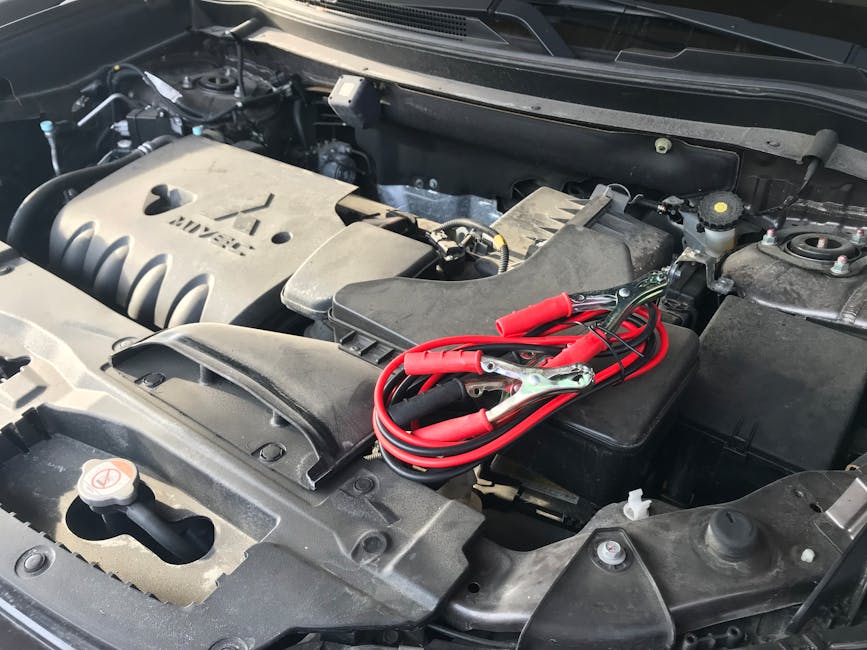
Battery technology has become central to how cars run—not just electric vehicles, but conventional engines too.
The demands on modern batteries have grown sharper since 2020, driven by colder winters, electronics load, and higher performance expectations.
Understanding what your battery actually does helps explain why performance matters more now than it did five years ago.
The workload has intensified
A car battery in 2026 does far more than crank the engine. Modern vehicles layer infotainment systems, climate controls, driver assistance features, and advanced lighting—all running at idle or in park.
Cold-weather testing shows batteries drain faster when vehicles sit dormant with systems active. The Department of Energy notes that chemical reactions inside batteries slow in cold, reducing available capacity by up to 50 percent.
This gap between what the battery can deliver and what the car demands—especially in winter—has become a critical pressure point.
Key performance stressors today
1. Cold-start demand
Engines require more current in cold conditions. Modern batteries must deliver reliable cranking power even when ambient temperature drops below freezing.
2. Parasitic drain
Electronics running in sleep mode consume steady power. A vehicle parked for weeks can lose charge without ever starting.
3. Charging inefficiency
Stop-start systems and regenerative braking demand rapid, repeated charge cycles. Batteries must handle this without accelerating internal degradation.
4. High-load accessories
Heated seats, defrosters, and power steering all draw significant current during peak demand. A weak battery can't support simultaneous draw.
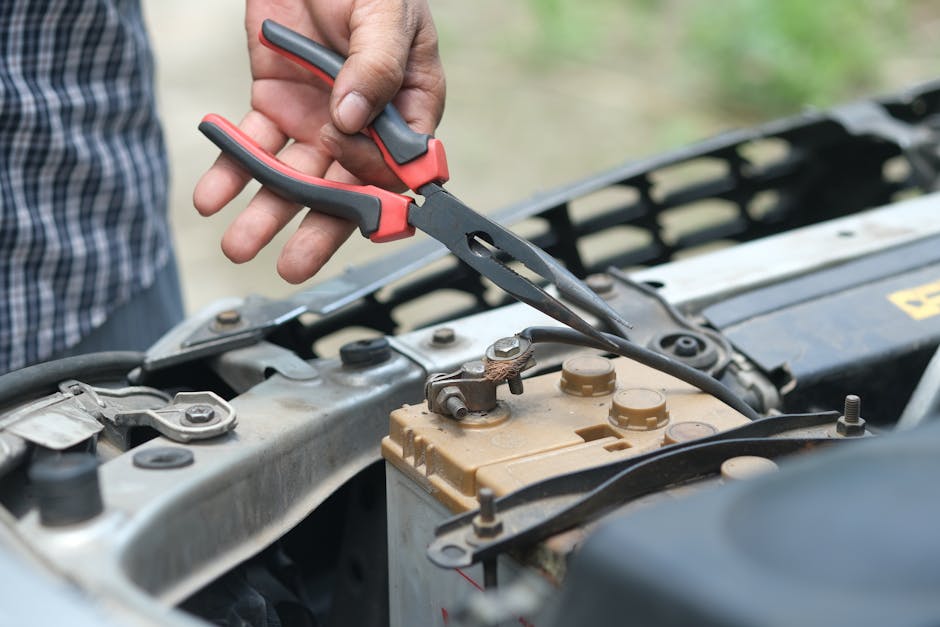
Manufacturing has adapted
Battery makers have responded to these stressors by refining chemistry and structural design. Grid design, plate thickness, and electrolyte formulation all play roles in how a battery handles modern loads.
An Acdelco battery engineered for 2026 vehicles incorporates thicker grids and optimized lead alloys to resist corrosion and deliver stable voltage under stress.
The goal remains straightforward: reliably deliver current on demand—whether that's a 15-amp cold crank or steady parasitic draw across a parked weekend.
Battery performance metrics explained

What owners actually notice
Performance decline in a car battery happens gradually, then suddenly. Most owners don't notice until the engine cranks slowly or accessories dim when the starter engages.
Cold mornings expose battery weakness faster than anything else. If your car struggles to start on a 20°F morning but turns over fine in summer, the battery is already compromised.
The National Highway Traffic Safety Administration recommends battery testing at the start of each winter season to catch degradation before it strands you.
Modern batteries typically last 3–5 years in temperate climates, 2–3 years in harsh cold regions. Heat accelerates chemical breakdown; cold slows cranking power. Neither climate is kind to a battery.
Testing and replacement standards
Most auto shops can run a load test in under five minutes—this simulates cranking demand and shows whether voltage holds steady under stress.
Replacement batteries should meet or exceed the original equipment (OE) specification: same CCA, terminal type, and physical dimensions. Going smaller is false economy; going larger rarely hurts.
Battery quality varies. Budget brands may meet minimum spec but fail faster under extreme conditions. Premium batteries often carry better warranties and use superior alloy formulations.
The bottom line
Your car's battery is no longer a passive component—it's a hard-working electrical workhorse supporting dozens of systems simultaneously.
2026 vehicles demand batteries that can handle cold starts, parasitic drain, and rapid charge cycles without wavering. Testing early and replacing on schedule keeps you from being stranded.