What Changed in Auto in 2026: Industry Shifts You Should Know
From regulatory pushes to manufacturing rethinks, 2026 reshaped how cars are built and sold.
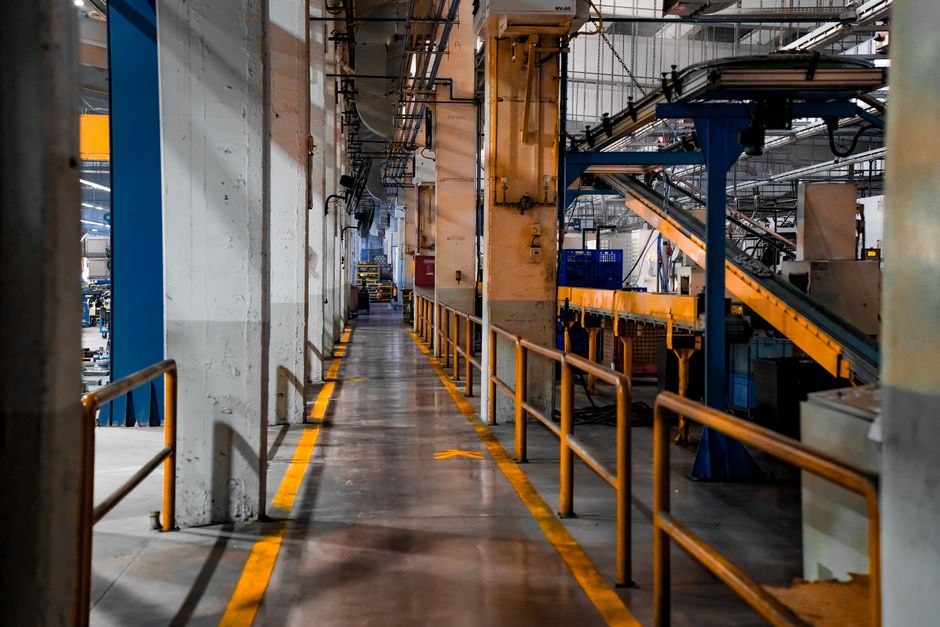
2026 hit the automotive industry with more structural change than most expected. Regulation tightened, supply chains reorganized, and consumer preferences shifted in ways that weren't entirely predictable a year prior.
Understanding what actually moved this year—beyond the usual launch cycles and marketing pushes—matters if you care about where vehicles, pricing, and dealer networks are headed.
Here's what the industry watchers and manufacturers themselves flagged as the meaningful turning points.
Emissions Standards Hit a New Floor
Most major markets tightened tailpipe emissions rules in 2026. The EU's Euro 7 phase began enforcement, and the U.S. EPA finalized stricter NOx and particulate thresholds that phased in across model years.
This wasn't theoretical—real engineering teams had to redesign exhaust aftertreatment and engine control strategies mid-cycle. EPA emissions regulations now force tradeoffs between performance, efficiency, and cost that automakers are still absorbing.
Smaller manufacturers and those without massive R&D budgets felt the squeeze hardest.
2026 Market Snapshot

The EV Plateau and Price War Reality
Electric vehicle sales growth slowed in 2026. The explosive 30–40% year-over-year jumps of 2023–2024 didn't repeat.
Automakers cut EV prices further and launched cheaper models to compete, squeezing margins. Profitability on battery-powered cars remained elusive for most, except a few legacy OEMs that had finally scaled production efficiency.
The narrative shifted from 'everyone's going electric' to 'electric needs to make money or this doesn't work.'
Five Industry Moves That Mattered
1. Battery manufacturing migrated to lower-cost regions
India, Indonesia, and Mexico became credible EV battery producers. China's dominance remained, but supply was less concentrated.
2. Software-defined vehicles became a real bottleneck
Over-the-air updates, infotainment, and autonomous driving stacks exposed OEMs' weak IT operations. Cyber-security failures made headlines.
3. Dealer consolidation accelerated in North America
Independent franchises merged or sold to larger groups. Direct-to-consumer models remained niche but pressured traditional dealer margins.
4. Used car logistics and certification standardized
Online used-car platforms matured and reduced information asymmetry. Certified pre-owned programs became more rigorous across brands.
5. Hydrogen fuel-cell investment split by region
Japan and South Korea doubled down; Europe remained cautious; U.S. projects stalled. No global consensus emerged.
Semiconductor shortage fears faded in 2026, but chip design complexity for autonomous and infotainment systems created new dependencies. Lead times for custom silicon still lagged behind battery packs.
What These Shifts Mean for Buyers and the Industry
If you're shopping for a car in 2026, the takeaway is simple: EVs cost less than they did, but combustion engines won't disappear soon. Automakers are committed to both platforms longer than expected.
For the industry itself, 2026 exposed the reality that electrification is an engineering and logistics problem, not just a technology one. Stricter emissions targets forced real change, but profitability and scale remain the unresolved tension.
The winners in 2026 were companies that could manage complexity across hardware, software, and supply chains simultaneously. The losers were those betting on a single technology to solve everything.
The Year in Perspective
2026 wasn't revolutionary, but it was clarifying. The auto industry finally moved past hype cycles and began dealing with hard constraints: cost, regulation, and the messy reality of scaling new technologies.
Next year will likely bring deeper consolidation and sharper choices about which OEMs survive the transition intact.