What Changed in Auto in 2026: A Year of Shifts
From regulatory moves to manufacturing trends, the automotive industry reshaped itself this year.
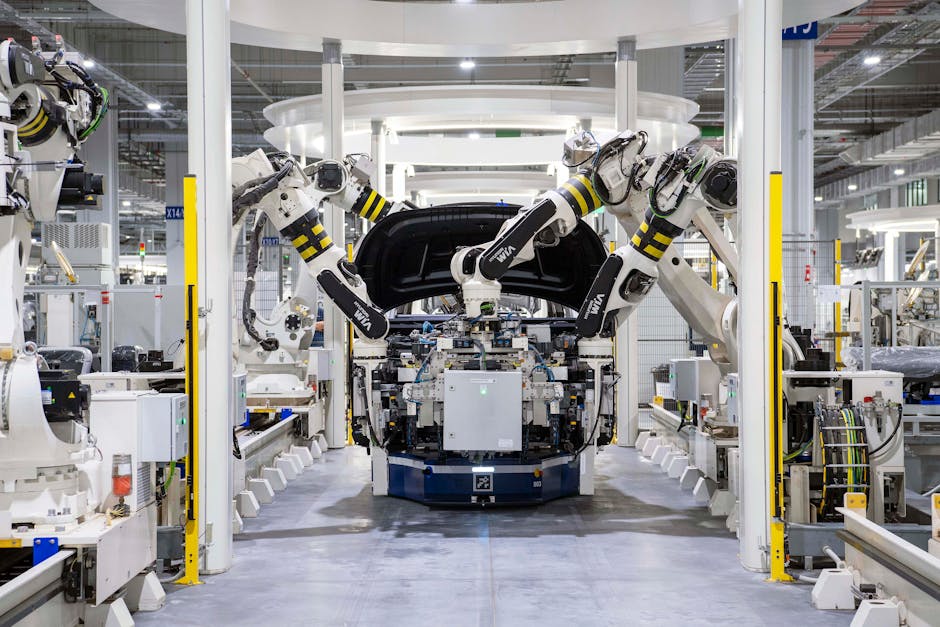
2026 marked a turning point for the automotive industry in ways that quietly reordered how manufacturers design, build, and sell vehicles.
Some shifts were regulatory; others emerged from market pressure and the ongoing electric-vehicle transition. Understanding what moved this year helps explain where the industry is headed next.
Battery Supply Chains Consolidate
The race to secure raw materials and reduce battery costs intensified in 2026. Major manufacturers began integrating deeper into mineral sourcing and cell production rather than relying solely on third-party suppliers.
This consolidation reflected a hard reality: U.S. Department of Transportation incentives for domestic battery production created competitive pressure to control supply chains end-to-end.
Vertically integrated battery operations now represent a structural advantage, reshaping investment priorities across the industry.
Five Industry Shifts That Shaped 2026
1. Stricter Emissions Standards in Major Markets — Manufacturers tightened development cycles to meet new carbon limits.
Europe and China introduced more aggressive tailpipe and lifecycle carbon regulations, forcing automakers to accelerate powertrain transitions faster than previously planned.
2. Shift to Modular Vehicle Platforms — Companies reduced development costs by standardizing chassis and electrical architectures.
The move toward shared, scalable platforms allowed manufacturers to offer multiple powertrains and body styles on the same base, lowering per-unit engineering spend.
3. Used EV Market Maturation — Secondary battery-vehicle pricing stabilized, broadening market reach.
As first-generation EVs aged, used pricing floors emerged, making electrified vehicles accessible to budget-conscious buyers and shifting dealer inventory dynamics.
4. Autonomous-Driving Pilot Expansion — Testing zones grew in urban centers, moving beyond isolated test tracks.
Limited self-driving capabilities began rolling out to real-world city conditions, generating data and public feedback that will shape regulation and product roadmaps through 2027.
5. Reshoring of Component Manufacturing — Nearshoring reduced logistics costs and supply-chain vulnerability.
Tariff structures and geopolitical concerns prompted manufacturers to relocate some component production closer to assembly plants, creating new regional manufacturing hubs.

Pricing Pressure and Market Consolidation
Competition for volume intensified as manufacturers chased market share in a transitional landscape. Luxury and mainstream segments saw pricing compression, especially in electric models competing for early adopters.
Smaller, independent automakers faced increased pressure to merge or specialize. Industry analysts noted that global consolidation accelerated, with regional players seeking partnerships to spread development costs.
Profitability margins thinned across the board, pushing manufacturers to focus on higher-margin segments and services rather than volume-chase strategies of prior decades.
Several manufacturers announced plans to phase out internal-combustion-only powertrains by 2032—two years ahead of earlier timelines. Policy clarity in major markets enabled longer-term planning confidence.
Key Numbers from 2026
What This Means Going Forward
The changes in 2026 were less about sudden disruption and more about structural drift toward efficiency, consolidation, and regulatory compliance. Manufacturers that adapted supply chains early and invested in platform flexibility gained competitive advantage.
For consumers, the shift means wider EV availability at lower price points, but also continuing pressure on traditional dealership models as direct-to-consumer and subscription services expanded.
The automotive industry's 2026 story was ultimately one of steady recalibration—not revolution, but the kind of persistent change that reshapes an entire sector over five to ten years.
Looking Ahead
2026 established the tempo for the next phase of automotive evolution. Battery economics, regulatory frameworks, and competitive consolidation are now locked in place.
The real question for manufacturers isn't whether change is coming—it's whether they built the operational flexibility to navigate it. This year showed which ones did.