Truck Bed Covers 101: Types, Durability, and What Owners Actually Need
A breakdown of cover styles, materials, and trade-offs for protecting your truck bed.

Truck bed covers are one of those accessories that sit at the intersection of practicality and personal choice.
They protect cargo from weather and theft, improve aerodynamics, and change how a truck looks and feels on the road.
But the market offers so many options—soft covers, hard tonneau shells, roll-up systems, folding designs—that picking the right one means understanding what each type actually does.
Why Bed Covers Matter
A truck bed is exposed to the elements by default. Rain, snow, and UV damage cargo and the bed itself over time.
Beyond weather protection, covers deter opportunistic theft—a locked cover makes grabbing tools or equipment harder.
Modern covers also reduce drag and wind noise at highway speeds, which some owners report improves fuel economy slightly.
The pickup truck market has evolved to treat bed covers as functional add-ons, not luxury upgrades.
Five Main Cover Types
1. Soft Roll-Up Covers — Budget-conscious owners, frequent bed access
Vinyl or canvas stretched over a tube frame that rolls toward the cab.
Quick to open, affordable, and easy to install yourself.
Trade-off: less secure, shorter lifespan than hard covers.
- Lightweight and affordable
- Opens fully or partially
- Maintenance includes occasional cleaning
2. Hard Tonneau Shells — Long-term investment, maximum security
One-piece rigid fiberglass or aluminum structure.
Bolts to the bed rails and stays locked. Looks sleek and lasts 10+ years.
Downside: expensive, requires total bed access through partial hinged sections or full removal.
- Durable fiberglass or aluminum
- Locked storage
- Improves fuel economy most
3. Folding Covers — Flexible access, mid-range budget
Multiple rigid or semi-rigid panels that fold accordion-style toward the cab.
You can open one section without exposing the whole bed.
Good balance of security, durability, and usability.
- Partial-access convenience
- Aluminum or vinyl panels
- Moderate price point
4. Retractable Covers — Premium buyers, modern aesthetics
Motorized aluminum slats that roll into a canister mounted on the cab rail.
Push a button or remote, and the cover slides open or closed.
High cost, but sleek appearance and smooth operation appeal to owners who treat their truck as a daily driver.
- Electric or manual operation
- Modern styling
- Premium pricing
5. Low-Profile and Spray-In Liners — Work trucks, custom finishes
Low-profile covers sit flush with the bed rails; spray-in liners are permanent coatings.
Liners resist dents and scratches. Low-profile covers save a few inches of height.
Liners can't be removed; covers reduce cargo flexibility.
- Flush or integrated design
- Durable against impact
- Limited cargo versatility

Material Trade-Offs and Longevity
Vinyl soft covers are affordable but typically last 5-7 years before UV and flexing degrade them.
Aluminum and fiberglass hard covers last 10-15+ years, resist impacts better, and hold resale value.
Canvas blends offer middle ground: breathable, less UV damage than vinyl, but heavier and more expensive.
If you plan to keep your truck beyond five years, a durable hard or mid-grade folding cover often costs less per year than replacing soft covers twice.
Installation, Maintenance, and Hidden Costs
Most soft covers bolt directly to existing bed rails—a weekend DIY job with basic tools.
Hard shells often require professional installation to ensure weathertight seals, which adds $200–500 to the purchase price.
Maintenance varies: soft covers need annual cleaning and UV protectant; hard covers just need hose-downs.
Extang and competitors in the tonneau space have standardized mounting kits, so most brands fit trucks with factory or aftermarket rails without modification.
Don't forget to budget for lock cylinders, hinges, or motorized components on higher-end covers—replacement parts aren't free.
Quick Comparison Grid
Aerodynamics and Fuel Economy
An open truck bed creates significant wind drag—studies show 5–15% improvement in highway fuel economy when a cover is installed.
Hard tonneau covers perform best, followed by folding and retractable designs. Soft covers help but less dramatically.
The Society of Automotive Engineers has developed testing standards for drag, though most manufacturers don't publish exact numbers.
If you drive highway miles regularly, fuel savings over a cover's lifespan can offset the purchase price.
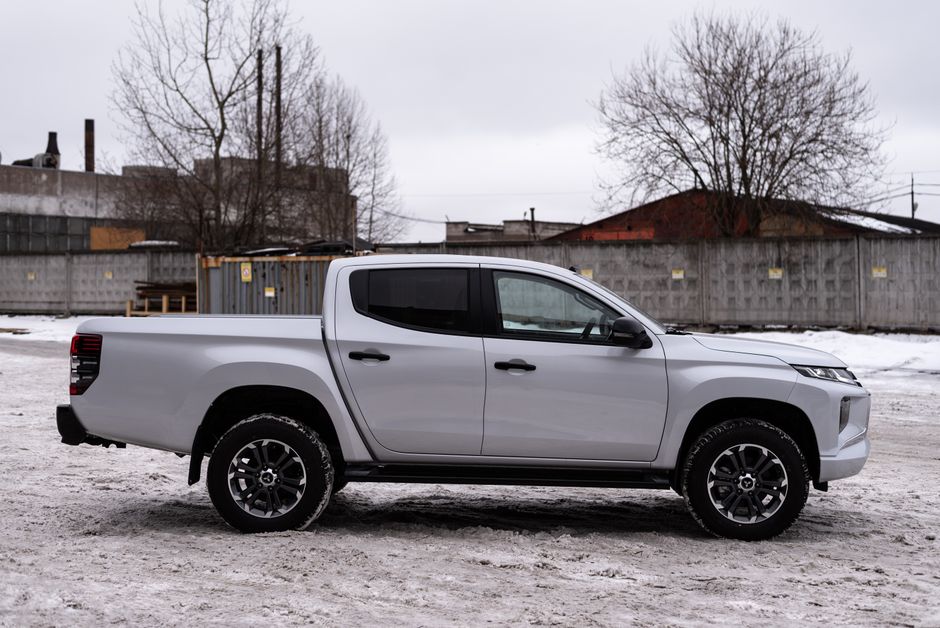
Before buying, measure your truck bed twice. Bed length, width, and height vary by model year. A cover for a 5.5-foot bed won't fit a 6.5-foot bed. Check the manufacturer's fitment chart against your VIN or owner's manual.
The Right Cover for Your Truck
Choosing a truck bed cover comes down to three questions: How long do you plan to own the truck? How often do you access the bed? What's your budget?
Short ownership and frequent access favor affordable soft covers. Long-term ownership and security concerns point to hard tonneau shells or folding designs.
In 2026, the truck bed cover market is mature and competitive—quality exists across all price tiers. The worst choice is no cover at all, since weather and UV damage your bed and cargo faster than any cover can protect against
wear.