The Rise of Custom Fabrication in Modern Auto Builds
How independent shops and enthusiasts are reshaping automotive design through precision metalwork and bespoke parts.
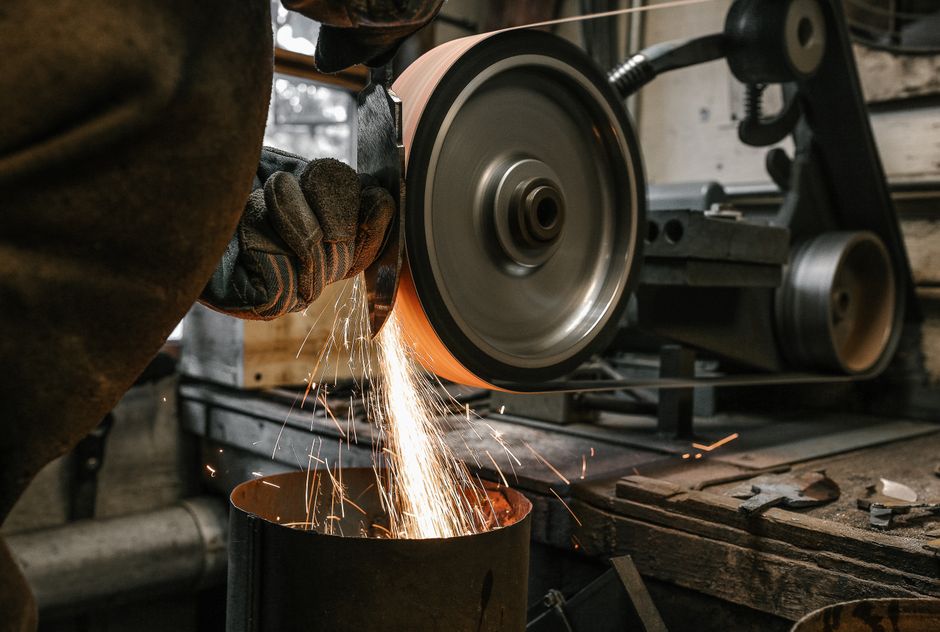
Custom fabrication has shifted from a niche pursuit to a central pillar of automotive culture in 2026.
Whether it's chassis work, body panels, or suspension components, the ability to design and manufacture bespoke parts has democratized builds that once required factory resources.
This rise reflects both advances in tooling and a growing appetite among builders for truly personalized machines.
Why Fabrication Matters Now
Modern automotive customization lives or dies on precision fabrication. Off-the-shelf kits can't address every design vision.
Shops equipped with CNC mills, plasma cutters, and TIG welders can turn sketches into structural reality. The barrier to entry has lowered as equipment costs stabilize and skilled labor becomes more accessible.
The Fabricator and industry trade bodies regularly highlight how metal fabrication sits at the heart of competitive builds, whether in motorsports or street rod circles.
The difference between a competent build and an exceptional one often hinges on how well fabricated components integrate with the chassis and powertrain.

Core Fabrication Disciplines
The Equipment and Skill Gap
Owning a fully outfitted fabrication bay costs serious capital. But shared makerspaces and small shops have bridged the gap.
A builder without access to a CNC can outsource machining work, then focus on hand-fitting and welding. This hybrid approach has become the norm.
SME (Society of Manufacturing Engineers) data shows that technical training programs in metalworking and welding are experiencing renewed interest, particularly among younger enthusiasts eager to learn.
N Fab and similar aftermarket specialists have built entire product lines around modular fabrication-ready platforms, allowing builders to customize drop-in components without starting from bare metal.

Five Areas Where Fabrication Transforms Builds
1. Chassis and Frame
Custom tube work and reinforcement adapt existing platforms to new powerplants or suspension geometries.
2. Body Panels
Hand-formed or CNC-cut metal can replace plastic clips and lend structural integrity to aerodynamic updates.
3. Engine Bay Accessories
Intake manifolds, engine mounts, and cooling-line brackets often demand custom solutions for tight fitment.
4. Suspension Components
Control arms, steering knuckles, and anti-sway bars routinely need custom geometry to match ride height and geometry targets.
5. Interior and Safety
Roll cages, mounting brackets for modern dash systems, and structural reinforcement all rely on precise metal joining.
Welding and metal fabrication produce hazardous fumes and sparks. OSHA's metalworking safety standards apply to both professional shops and DIY spaces; proper ventilation and personal protective equipment are non-negotiable.
The Future of Fabrication
Additive manufacturing (3D metal printing) is beginning to carve a niche for prototyping and low-volume custom parts.
But subtractive and joining processes—milling, welding, bending—remain the backbone of production work in 2026 and beyond.
As electric platforms proliferate, fabricators will pivot toward battery boxes, motor mounts, and thermal management brackets. The craft evolves, but the core discipline endures.
Final Take
Custom fabrication transforms raw vision into drivable reality. Whether through a professional shop or a well-equipped enthusiast, the ability to fabricate bespoke parts remains the mark of a truly committed build.
The tools have become more accessible, the knowledge more shareable, and the results more achievable than ever before.