How to Install a Tonneau Cover: What Truck Owners Should Know
A practical guide to understanding tonneau cover types and installation requirements for modern pickup trucks.

Tonneau covers have become standard upgrades for truck owners seeking better cargo protection and fuel efficiency.
Installation ranges from straightforward clamp-on systems to more complex bed-rail mounts, depending on the cover type and truck bed configuration.
Understanding your options before purchase can save time, money, and frustration on install day.
Why Tonneau Covers Matter
A tonneau cover shields your truck bed from weather, UV damage, and theft while improving aerodynamics and gas mileage.
Modern pickup trucks benefit from reduced drag when the bed is covered, often delivering measurable MPG gains on highway drives.
Beyond efficiency, covers protect expensive cargo and keep your truck's interior cleaner during daily use.
Common Tonneau Cover Types and Their Installation Approach
1. Roll-Up Covers — Budget-friendly, quick-access option
Roll-up tonneau covers attach to the bed's front edge and roll back toward the cab when opened.
Installation typically involves securing a clamp or bracket system and drilling minimal holes.
Most truck owners can complete setup in 1–2 hours with basic hand tools.
2. Folding Hard Covers — Durable protection with full bed access
Hard folding covers hinge at sections and collapse toward the cab, offering weather-tight sealing and theft deterrence.
Installation requires mounting brackets along the bed rails and often involves drilling anchor points.
Expect 2–4 hours for a complete install, especially if your truck bed lacks factory rails.
3. Retractable / Tonneau-Style Covers — Premium option with motorized convenience
These motorized or manual-retract systems glide on tracks mounted to the truck bed.
Installation is more involved, typically requiring professional labor or advanced DIY skills.
Advantages include sleek appearance and easy one-handed operation, though cost is higher than other types.
Pre-Installation Preparation
Before you begin, measure your truck bed length and width to ensure the cover fits properly.
Clean the bed rails and mounting surfaces to remove dirt and debris, which improves clamp grip and seal.
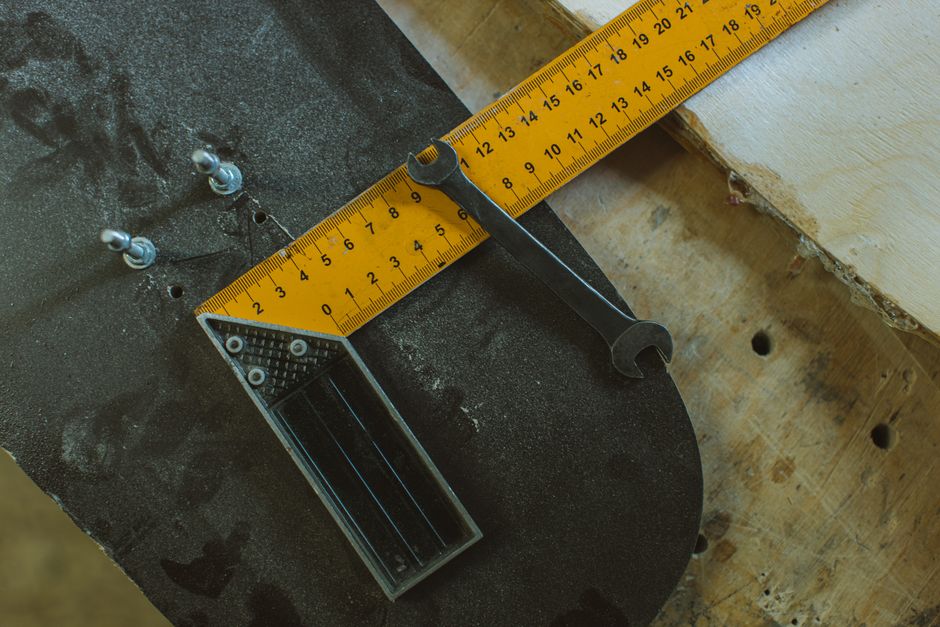
Gather tools: socket set, torque wrench, drill (if drilling is required), level, and safety glasses.
Consult the manufacturer's manual for your specific truck model year, as older and newer beds have different rail profiles.
Installation Steps and Common Mistakes
Start by positioning the tonneau cover on the truck bed without fully securing it, checking that it's centered and sits flush against the bed rails.
Tighten fasteners in a cross pattern (front-left, rear-right, front-right, rear-left) to ensure even pressure and proper alignment.
Over-tightening clamps is a frequent error—use a torque wrench if specified and snug until resistance is felt, then give a quarter turn.
Maxmatetonneaucover and other quality brands include detailed instructions and video guides; following them exactly reduces install problems significantly.
Test the cover's operation multiple times before concluding the job—roll it open and closed to confirm smooth movement and proper sealing.
Installation Timeline and Difficulty

Post-Installation Care and Maintenance
After installation, check all fasteners monthly, especially in the first few months as materials settle.
Clean the cover and rail mounting points seasonally to prevent corrosion and buildup.
Lubricate hinges or moving parts per the manufacturer's recommendations to ensure smooth operation year-round.
Inspect seals and gaskets if you notice water entering the truck bed, as weatherstripping can degrade over time.
Take photos during installation for reference if you need to adjust or troubleshoot later. A smartphone time-lapse of the process also helps with warranty claims or if you ever need to reinstall.
Safety and Compatibility Considerations
Verify that your tonneau cover meets weight limits for your truck bed—excess weight can affect handling and truck bed protection standards.
Confirm that the cover doesn't interfere with factory or aftermarket cargo systems, tie-down points, or bed liners.
Always wear safety glasses and gloves when drilling or handling metal fasteners to prevent injury.
The Bottom Line
Tonneau cover installation is a manageable weekend project for most truck owners, offering lasting benefits in protection and efficiency.
Take time to choose the right cover type for your needs and follow the manufacturer's instructions precisely.
Proper installation and maintenance ensure your investment performs as intended for years to come.