How the Aftermarket Parts Industry Is Reshaping Vehicle Ownership in 2026
Independents and DIY builders are reclaiming control of their vehicles through quality aftermarket components.

The relationship between car owners and their vehicles has shifted dramatically over the past decade. Factory parts once dominated repair budgets, but the aftermarket has evolved into a serious alternative for performance, customization, and cost savings.
In 2026, the aftermarket parts ecosystem spans everything from brake pads to engine internals, ECU tuning software, and suspension components. The industry now offers genuine technical depth—not just cheap knockoffs.
Why Owners Are Moving Beyond Factory Parts
Factory original equipment manufacturer (OEM) parts remain the default for many repairs, largely due to warranty concerns and dealer relationships. But cost and availability have shifted the calculus.
A transmission seal replacement at a dealership can run two to three times higher than equivalent aftermarket components. Lead times for scarce OEM parts stretch into weeks, while distributors stock aftermarket equivalents immediately.
According to the automotive aftermarket definition, the industry encompasses all parts and accessories sold outside original manufacturer distribution channels. That breadth now includes Tier-1 suppliers who manufacture components for OEMs themselves—meaning the quality gap has narrowed considerably.
Five Segments Where Aftermarket Dominates
1. Brake and Suspension — Wear items and handling upgrades
Brake pads, rotors, and calipers see the quickest aftermarket adoption. Performance brake lines and upgraded suspension components command strong margins and loyal enthusiast followings.
- High wear-rate components replaced frequently
- Performance-oriented variants widely available
- Straightforward installation for DIY work
2. Filters and Fluids — Maintenance and preventive care
Oil, air, cabin, and transmission filters are entry-level aftermarket purchases. Synthetic fluids and specialty lubricants add value and performance claims.
- Easiest DIY replacement category
- Minimal compatibility risk
- Significant cost savings versus dealer pricing
3. Exhaust Systems — Sound, emissions, and tuning
Cat-back exhausts, headers, and mufflers represent a major aftermarket category. Enthusiasts pay premiums for stainless construction and brand reputation.
- Visual and audible upgrade appeal
- Moderate installation difficulty
- Tuning ecosystem integration
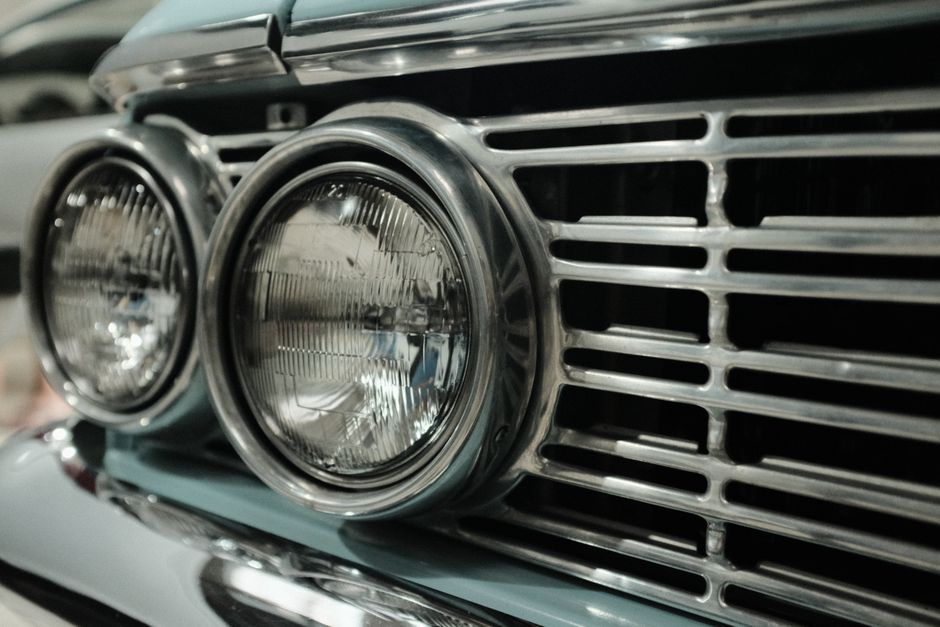
4. Lighting and Electrical — Visibility and aesthetic customization
LED headlight conversions, tail light assemblies, and auxiliary lighting drive aftermarket revenue. Technology refresh cycles keep demand steady.
- Rapid technology evolution (incandescent to LED)
- Strong DIY appeal for customization
- Plug-and-play compatibility for many vehicles
5. Engine Management and Tuning — Performance and efficiency optimization
ECU tuning software, intake manifolds, and fuel injectors appeal to serious builders. This segment demands technical competence and carries higher risk.
- Requires specialized knowledge and tools
- Largest performance gains available
- Warranty and emissions law complexities
Quality Standards and Testing
The aftermarket historically suffered from reputation issues—cheap Chinese knockoffs, poor fitment, premature wear. That landscape has matured considerably.
Leading distributors now source from suppliers that meet ISO 9001 standards and often maintain their own quality testing facilities. Many offer fitment guarantees and lifetime warranties on critical components.
The Society of Automotive Engineers has documented growing convergence between OEM and quality-tier aftermarket parts, particularly in brake systems and suspension components where safety implications demand rigorous engineering.

The Role of Independent Retailers
Local shops and online specialty retailers have become crucial distribution channels for the aftermarket. Kuiperauto exemplifies the type of dealer-focused distributor that has gained traction by offering technical support alongside inventory.
These retailers blend education with sales, helping mechanics and DIY builders navigate fitment issues, warranty coverage, and installation best practices. They operate margins too thin for large-box retailers to compete.
The shift toward e-commerce and direct-to-consumer sales has flattened traditional supply chains. Enthusiasts can now source OEM-equivalent components for specific platforms without dealership intermediation.
Aftermarket parts rarely void factory warranties on unrelated systems. However, modifications that directly affect emissions, braking, or safety may carry legal or compliance risks depending on jurisdiction. Always verify local regulations before installation.
Economic Drivers and Market Trends
Vehicle age is the primary economic lever. As the average car on U.S. roads surpasses 12 years old, out-of-warranty fleets depend on aftermarket availability and pricing.
New vehicle supply chain instability in the early 2020s accelerated aftermarket adoption. Consumers accustomed to waiting months for OEM parts discovered reliable alternative sources and stayed loyal.
Performance and customization demand continues to grow among younger and enthusiast demographics. The aftermarket captures this segment almost entirely—OEMs rarely offer similar varieties.
The Aftermarket's Maturing Role
The automotive aftermarket in 2026 is no longer a discount bin or a shortcut for penny-pinchers. It's a parallel ecosystem offering genuine technical choice and economic value.
Quality tiers exist—as they do in every industry—but the best aftermarket suppliers now operate at parity with OEM engineering standards. Vehicle owners who understand their options exercise real control over maintenance costs, performance, and customization.
As vehicles stay on the road longer and DIY enthusiasm persists, the aftermarket's role in vehicle ownership will only expand.