Custom Fabrication Reshaping Auto Design in 2026
How precision metalworking is moving from niche specialty to mainstream truck culture.

Custom fabrication in the automotive world has evolved beyond weekend garage projects. It's become a serious craft, blending engineering precision with artisan skill.
In 2026, more truck owners are turning to bespoke metal work—bumpers, skid plates, bed racks, chassis reinforcements—rather than settling for off-the-shelf aftermarket parts.
The shift reflects a broader hunger for personalization and durability that mass production simply doesn't satisfy.
Why Custom Fabrication Matters Now
Stock bumpers bend. OEM bed frames rust. Mass-produced brackets fail in real conditions.
Custom fabrication lets builders design solutions tailored to specific vehicles, terrain, and use cases. A rock crawler needs different protection than a daily driver.
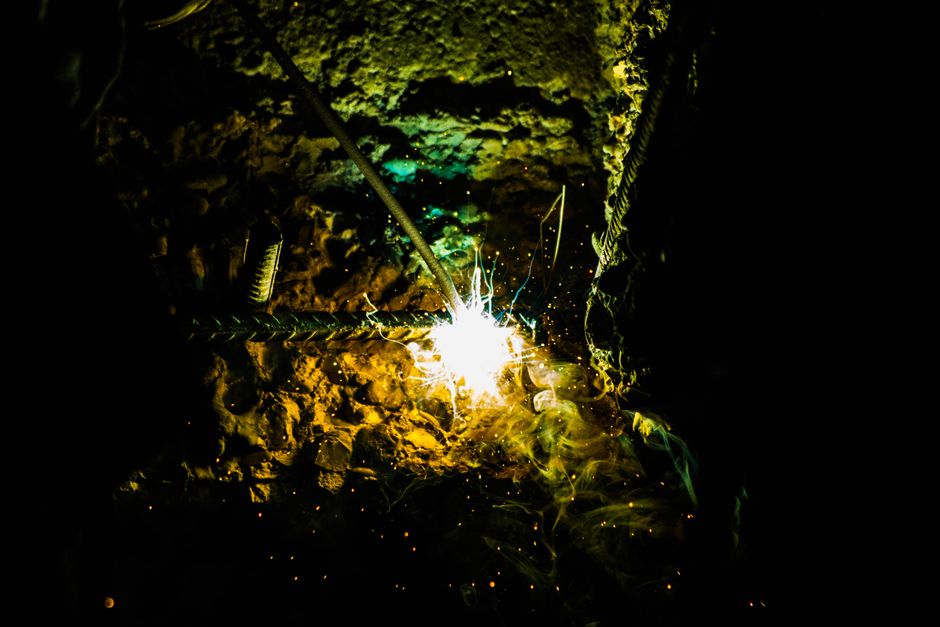
Modern fabricators use CNC machinery alongside traditional welding—combining precision with speed. This hybrid approach has lowered lead times and costs compared to five years ago.
Builders working with N Fab and similar fabrication-focused shops can specify exact materials, geometry, and finishes rather than choosing from preset options.
Five Areas Where Custom Fabrication Dominates
1. Bumper and Grille Protection
Steel tube bumpers engineered for impact and recovery, not just aesthetics.
- Custom geometry for specific truck models
- Integrated recovery points
- Powder coat or ceramic finishes
2. Skid Plate Systems
Underbody protection shaped to follow chassis lines and avoid weight penalties.
- Aluminum or steel options
- Ventilation for heat management
- Quick-release designs
3. Roof Racks and Cargo Mounts
Load-carrying capacity engineered beyond assumptions, with tested welds and attachment points.
- Modular rail systems
- Cross-bar options
- Integrated LED mounts
4. Suspension Brackets and Links
Lift kits and suspension mods require custom brackets to accommodate geometry changes.
- CNC-bent tubing
- Adjustable geometry
- Tested material specs
5. Interior Mounting Solutions
Custom dash mounts, console brackets, and device holders solve cable clutter and placement issues.
- 3D-printed prototyping
- Metal reinforcement
- Tool-free installation
The Fabrication Process in 2026
Today's custom shops often start with CAD files or even vehicle scans. Digital modeling cuts iteration time and catches fit issues before cutting metal.
Fabricators then move to CNC mills or plasma cutters for precision stock prep. Traditional welding—TIG or MIG—remains the backbone for joining.
Quality control has tightened. The Society of Manufacturing Engineers emphasizes that even boutique shops now follow material certifications and weld testing standards.
Finishing—sandblasting, priming, powder coating, or ceramic—often takes as long as fabrication itself.

Custom vs. Off-the-Shelf
Strengths
- Perfect fit for your specific truck model and suspension geometry
- Material and finish options—aluminum for weight, steel for strength, specialty coatings
- Durability tested under real loads rather than assumed minimums
- Design input; you can iterate with the fabricator
- Longevity often justifies upfront cost over multiple vehicle ownership cycles
Trade-offs
- Higher upfront cost than bolt-on aftermarket parts
- Longer lead times if design is new or complex
- Requires finding a reputable, skilled fabricator
- Less plug-and-play; may need installation guidance
- No mass-market support if designs become discontinued
Material Selection Matters
Steel dominates for impact protection—high tensile strength and proven crash behavior.
Aluminum appeals to builders concerned with unsprung weight, especially on lifted trucks.
Stainless steel resists corrosion in coastal regions or heavy-salt climates.
Composite and carbon-fiber options exist but remain niche; tooling costs make them economical only for high-volume orders.
A good fabricator will ask about your vehicle's intended use before recommending material.
Custom fabrication involves welding, CNC machinery, and heavy materials. Reputable shops follow OSHA guidelines and carry liability insurance. Verify qualifications before committing to a project.
The Craft is Here to Stay
Custom fabrication isn't a trend—it's a correction. As trucks become more capable, owners demand equally capable accessories.
The best builds combine precise engineering with skilled hands. That combination can't be automated away.
Whether your project is a weekend rock-crawler rig or a daily driver needing solid protection, a competent fabricator can turn your vision into metal.