Battery Performance Trends in 2026 Vehicles
How modern automotive batteries are handling heavier electrical loads and longer service demands.

Vehicle batteries in 2026 face mounting pressure from advanced driver-assistance systems, infotainment networks, and electrification creep.
Battery performance is no longer just about cold-start cranking. Today's batteries shoulder climate control, security systems, and semi-autonomous features—all while sitting idle in driveways.
Understanding how modern batteries handle these demands matters whether you drive gas, hybrid, or are shopping for one soon.
The Electrical Load Shift
A 1990s sedan battery did one job: crank the engine and power basic lights and wipers. Today's vehicles draw power constantly, even when parked.
Remote keyless entry, alarm systems, telematics modules, and infotainment displays all pull current from a sleeping vehicle. Many modern cars lose 30-50 milliamps per hour just sitting in a garage.
This always-on architecture means battery discharge curves have flattened. Cold weather still stresses cranking, but parasitic drain has become a competing concern.
The U.S. Department of Energy notes that battery lifespan depends as much on chemical cycling as on absolute age. Frequent partial discharges—like those from parked-vehicle drain—age batteries faster than older models experienced.
Battery Specs That Matter Now
Chemistry and Real-World Performance
Lead-acid chemistry still dominates, but modern formulations differ from batteries a decade ago. Calcium-lead and enhanced-grid designs improve cycle stability and reduce gassing.
Absorbed Glass Mat (AGM) batteries, once premium options, now appear in many mainstream vehicles. They handle rapid charge-discharge cycles better and tolerate vibration without internal short-circuiting.
Hybrid and plug-in vehicles often pair a 12V lead-acid reserve battery with a separate high-voltage pack. The auxiliary battery sees frequent partial discharging, which is why Acdelco battery products and competitors offer specialized AGM units for those vehicles.
Regular gasoline cars typically stick with flooded or calcium lead-acid. The choice between them matters less than proper installation and regular testing.
Temperature and Battery Stress
Heat accelerates chemical degradation; cold slows electron flow, stiffening electrolyte. Both extremes shorten lifespan.
Northern climates see faster wear in winter, but southern vehicles often fail earlier overall due to prolonged heat exposure. A battery that survives three winters in Minneapolis might last only four years in Phoenix.
Engine bays now routinely exceed 140°F. Modern batteries include insulation or relocation to cooler areas to combat this.
Five Performance Signals to Track
1. Slow Engine Cranking
A sluggish or grinding starter response hints at weakening cranking amps. Test output with a load tester before replacement.
2. Flickering Dashboard Lights
Indicates voltage sag during load. Battery may still crank the engine but lacks reserve capacity for sustained draw.
3. Clicking When Engine Won't Turn
Classic sign of insufficient cranking current. Professional load test confirms remaining capacity.
4. Swollen or Cracked Case
Physical damage or overcharging causes case deformation. Replace immediately—risk of acid spill.
5. Rotten-Egg Smell Near Battery
Hydrogen sulfide odor signals internal gassing, often from overcharge. Alternator or regulator may need service too.

Maintenance Rhythm for Modern Batteries
Visual inspections every six months catch corrosion, loose clamps, and case damage early.
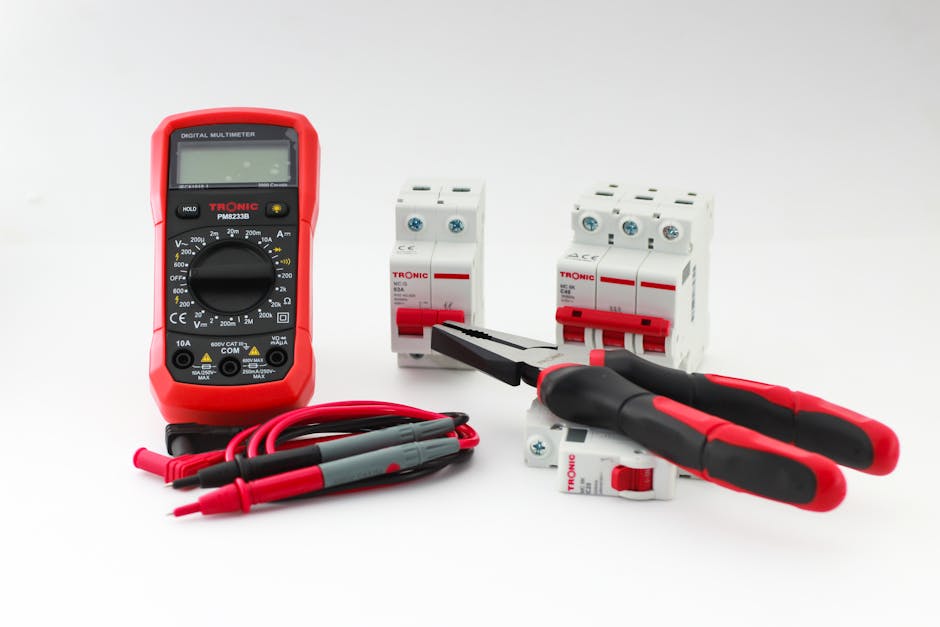
Battery load testing every two to three years (or per manufacturer guidance) reveals declining capacity before failure strands you.
Alternator output testing ensures the charging system is refreshing the battery, not draining it. A weak alternator ages a battery faster than parasitic drain alone.
Most batteries last four to six years; some exceed eight. Geography, driving pattern, and electrical modifications shift that window.
If you live where temps drop below 32°F, check battery condition in fall. Cold reduces capacity by roughly 50% at 0°F versus 75°F. A marginal battery in autumn becomes unreliable by January.
Looking Ahead
Battery technology and vehicle electrical demands will keep shifting. Today's performance benchmarks reflect a mix of legacy lead-acid chemistry and modern consumption patterns.
Staying alert to warning signs and testing proactively—rather than waiting for a no-start—avoids inconvenience and extends battery life by years.
The NHTSA vehicle maintenance guidance recommends a professional battery inspection as part of routine service. That one check often pays for itself in avoided roadside breakdowns.