Auto Industry Shifts in 2026 You Should Track
A look at the regulatory, technological, and market changes reshaping how cars are built and sold.

2026 marks a turning point in automotive manufacturing. Stricter emissions regulations, supply-chain reshuffling, and accelerating EV adoption are forcing carmakers to rethink everything from production timelines to dealer networks.
Understanding these shifts matters whether you're shopping for a new vehicle, watching the industry as an investor, or simply curious about where transportation is headed.
Tightening Emissions Standards
The U.S. EPA has finalized tailpipe regulations requiring steady EV adoption through 2026 and beyond. This isn't theoretical—it's binding now, forcing even traditional automakers to accelerate their electric lineups faster than planned.
Europe and China implemented similar frameworks years ago. The convergence means global platforms must meet the strictest standard in any major market, raising compliance costs across the board.
Smaller manufacturers face the harshest squeeze. EPA emissions standards allow credit-trading, but those credits are getting pricier. Legacy automakers with large EV portfolios can bank credits; others must invest heavily or partner to avoid penalties.
Five Structural Changes Taking Hold Now
1. Battery Supply Consolidation — Fewer, larger battery makers dominating the supply chain
Dozens of startups entered the battery space over the past five years. By 2026, that field is contracting. Only producers with scale, proven yield rates, and secured raw-material contracts survive.
2. Dealer Inventory Pressure — Rapid EV model turnover outpacing dealer capital
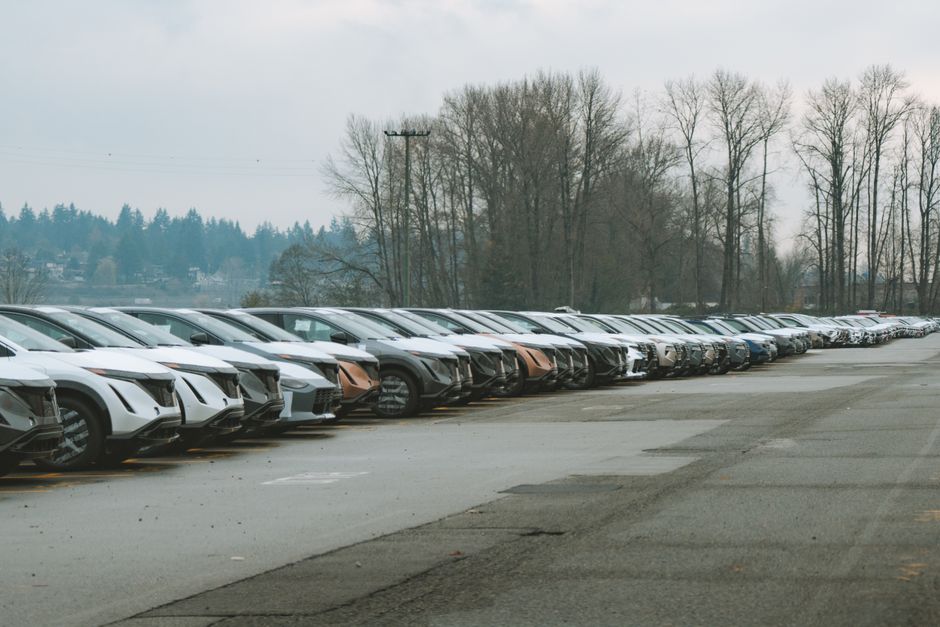
Traditional dealerships built around 60-90 day inventory cycles. EV product lines refresh every 18-24 months. Floor-plan financing and lot utilization now work against legacy dealerships.
3. Semiconductor Localization — Chipmakers building fabs closer to assembly plants
Post-2021 shortage lessons stuck. Automakers now insist on domestic or allied-nation chip sourcing. This reshapes geopolitical trade and raises component costs slightly.
4. Used EV Market Maturation — Battery degradation data now informs residual values
First-generation EV buyers are trading in. Real-world range loss and battery warranty claims are reshaping how used EV prices track.
5. Labor Cost Restructuring — Union wages rising in North America, automation accelerating
2025 UAW agreements locked in wage gains. Factories are installing more robotics to offset labor cost inflation. Assembly timelines are shifting.

What This Means for Buyers
New car pricing has begun stabilizing after wild 2021–2024 swings. EV incentives are shifting—federal credits now phase out as production ramps.
Lease terms favor manufacturers over buyers as residual values for EVs stabilize. Warranty coverage on batteries is becoming a key negotiation point.
Wait times for vehicles are normalized. Supply constraints that plagued 2022–2024 have largely cleared, though specific trim levels and colors still see delays.
Key Numbers for 2026
The Dealer Network Under Stress
Franchise dealerships are closing or consolidating at an accelerating pace. NADA (National Automobile Dealers Association) data shows rural and small-market dealers exiting fastest.
Direct-to-consumer models are still banned in most U.S. states, but political appetite for franchise laws is weakening. Some states have begun loosening restrictions on manufacturer-owned retail.
Independent service shops are capturing more EV maintenance as warranty periods expire on early EVs. This is fragmenting the traditional service revenue model.
Used EV market transparency is improving. Third-party battery health testers are becoming standard pre-purchase diagnostics. Don't buy used EV without a certified battery report.
What's Next
2026 is the year the industry narrative shifts from 'will EVs happen?' to 'how fast can makers scale profitably?' Regulation is no longer the question; execution is.
If you're in the market, expect more choice, normalized pricing, and better supply. If you're a dealer or supplier, expect continued consolidation. And if you're watching this sector, 2027 will be defined by who survived this transition—and who didn't.