Auto Industry Changes in 2026: What Drivers Need to Know
From electrification shifts to safety mandates, the automotive landscape transformed in significant ways this year.

The automotive industry moved fast in 2026, reshaping everything from how cars are built to how they're regulated on the road.
Several major shifts—some expected, others surprising—rippled through dealerships, manufacturing plants, and driver behaviors across North America and Europe.
Understanding these changes matters whether you're shopping for a vehicle, maintaining an existing one, or just curious about where the industry is headed.
Battery Technology and EV Cost Reductions
Battery pack prices hit a critical threshold in 2026, making mainstream electric vehicles cost-competitive with combustion engines in many market segments.
Solid-state battery production, long promised, finally entered limited commercial deployment in select models—delivering higher energy density and faster charging times.
Multiple automakers dropped sticker prices on midrange EVs by 8–12% compared to 2025, driven by manufacturing efficiency gains and intensifying competition.
Range anxiety continues shrinking as 300+ mile EPA estimates become standard rather than premium-tier exclusive.

Five Key Regulatory and Safety Shifts
1. Mandatory Vehicle-to-Vehicle Communication Standards
The NHTSA finalized V2V (vehicle-to-vehicle) communication requirements for all new vehicles sold in the U.S., effective mid-2026.
- Allows cars to exchange speed, location, and hazard warnings
- Expected to reduce multi-vehicle collisions by up to 20%
2. Updated Rear-Seat Occupant Monitoring Rules
New EU and U.S. regulations now require rear-seat presence detection in all new vehicles by model year 2027.
- Alerts drivers if passengers are left behind after engine shutdown
- Response to rising numbers of children and pets left in vehicles
3. Cybersecurity Certification Mandates
NHTSA introduced mandatory cybersecurity testing protocols requiring all automakers to prove over-the-air update integrity and protection against remote vehicle hacking.
- Applies to connected and autonomous-ready systems
- Affects warranty and recall procedures
4. Cooling-Off Period for Used Car Purchases
Several U.S. states and Canada adopted consumer protection rules allowing buyers three to five business days to return used vehicles purchased from dealerships.
- Mirrors European consumer protection precedent
- Covers vehicles under a certain mileage threshold
5. Stricter Emissions Caps for Internal Combustion Engines
California and the EU tightened tailpipe emissions limits further, pushing ICE-only manufacturers toward hybrid or electrified powertrains for survival.
- Affects vehicle lineup planning and R&D budgets
- Accelerates phase-out timelines in premium segments
Supply Chain Stabilization and Reshoring Efforts
After years of chip shortages and logistics disruption, the automotive supply chain entered a calmer phase during 2026.
Semiconductor suppliers ramped domestic U.S. and European production capacity, reducing dependency on Asian manufacturing for critical components.
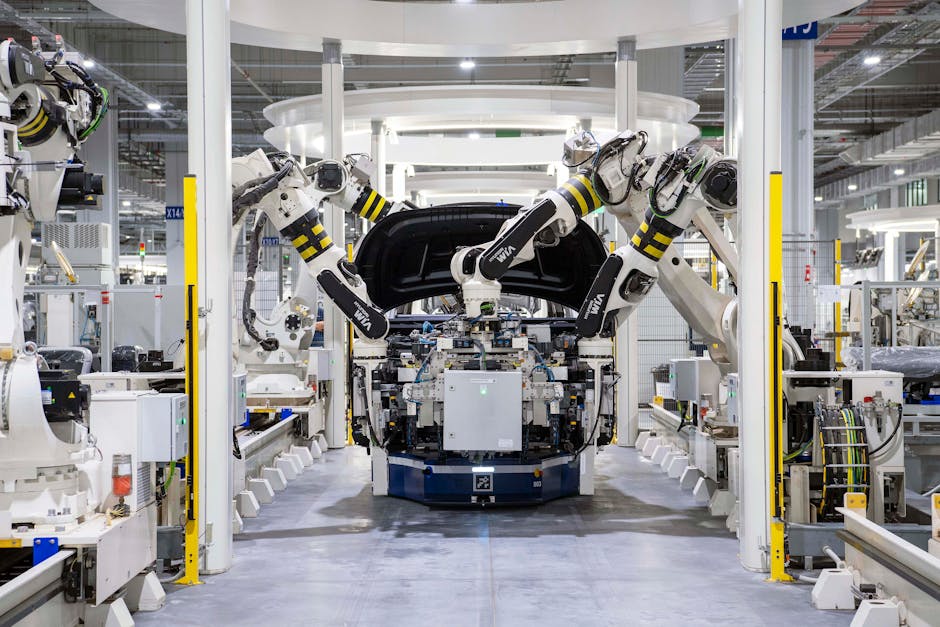
Casting and battery assembly began moving back to North America and Western Europe through a combination of government incentives and operational cost rebalancing.
Average new vehicle delivery times dropped from 8–12 weeks in 2024 to 4–6 weeks for most mainstream models.
Autonomous Feature Rollout: Trade-offs in 2026
Gains
- Level 2+ autonomous driving systems deployed in mainstream sedans and SUVs, not just luxury brands.
- Insurance companies began offering premium discounts for vehicles with certified advanced driver-assistance systems.
- Real-world collision data showed meaningful safety improvements in vehicles equipped with AEB and lane-centering tech.
- Consumer comfort with hands-off driving assistance increased measurably compared to 2025.
Friction Points
- Liability questions remain unresolved when accidents occur with Level 2 systems engaged.
- Over-reliance on driver-assistance features linked to inattention in some early-adoption user groups.
- Widespread OTA update failures in early months of deployment created trust issues.
- Geofencing restrictions limited autonomous features to specific regions, fragmenting user experience.
The average American spent $400 more on vehicle maintenance in 2026 than in 2025, largely due to increased labor costs for EV battery diagnostics and OTA software-update servicing.
Consumer Behavior and Market Sentiment Shifts
EV adoption crossed 18% of new car sales in the U.S. during 2026—a meaningful milestone signaling mainstream acceptance rather than early-adopter enthusiasm.
Used EV values stabilized after years of depreciation volatility, making second-hand electric vehicles more attractive to budget-conscious buyers.
Subscription-based ownership models gained modest traction among younger drivers, though traditional purchase-and-own remained dominant.
Carbon-footprint labeling on new vehicles became voluntary but increasingly common, appealing to environmentally-motivated shoppers.
Looking Ahead
The automotive industry in 2026 felt like a turning point—less chaos and disruption than 2023–2025, more consolidation around electric powertrains and connected-vehicle standards.
Drivers navigating these changes benefit from understanding that regulation, manufacturing efficiency, and technology maturity are moving in parallel, reshaping both what's available and what's required.
The next wave of change will likely focus on autonomous capability maturity and the resolution of liability and insurance frameworks currently in flux.