Why Truck Fender Protection Matters More in 2026
Road debris and close-quarters parking demand smarter protection strategies for modern pickups.
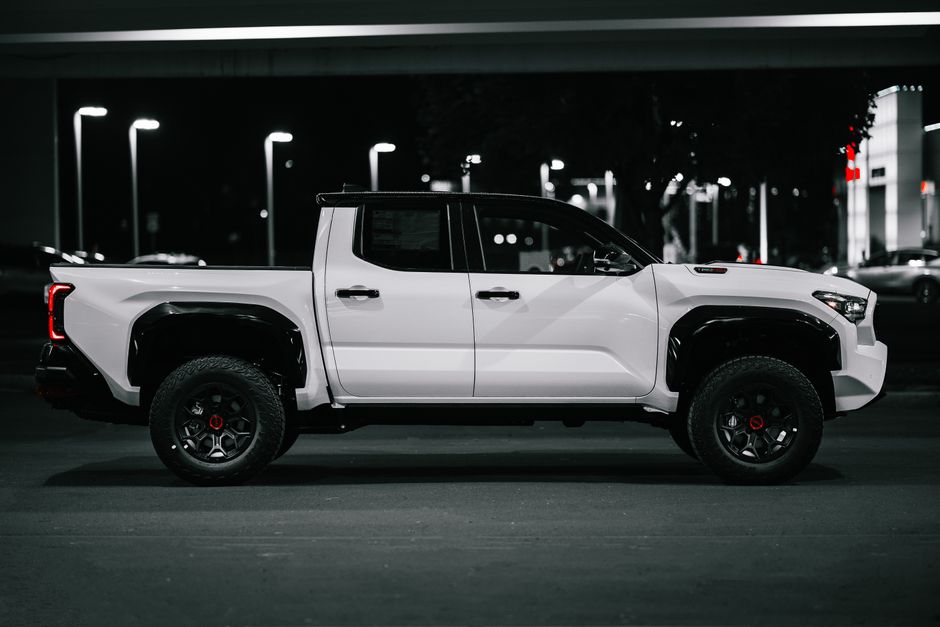
Truck owners face a persistent problem: fender damage from road debris, parking lot encounters, and daily wear.
Gravel clouds on highways, shopping cart dents, and tight garage squeezes take a toll on paint and metal.
Modern protection solutions have evolved far beyond basic bumpers.
The Real Cost of Unprotected Fenders
Fender damage isn't just cosmetic. Rock chips expose bare metal, inviting rust formation beneath the paint.
Insurance deductibles often exceed repair costs, leaving owners to pay out-of-pocket for minor incidents.
A single deep scratch or dent can lower resale value and require expensive refinishing work.
Trucks spend more time near rough terrain and tight spaces than most vehicles, multiplying exposure risk.
Fender Protection at a Glance

Protection Approaches That Work
1. Fender Flares and Extensions — Block road spray and small debris before they hit the panel.
- Bolt-on or glue-down installation
- Covers entire side edge of wheel well
- Available in OEM-matched colors or black
- Minimal aerodynamic impact
2. Clear Protective Film — Invisible barrier against rock chips and chemical damage.
- Self-healing polymers absorb minor impacts
- Applied to high-impact zones
- Preserves original paint appearance
- Longer-lasting than traditional wax
3. Paint Sealant Systems — Slow rust formation and extend paint life.
- Ceramic or polymer-based coatings
- Annual reapplication often needed
- Best paired with other protection methods
- Cost-effective preventative measure
4. Rubberized Bed Liners — Protect truck bed and lower fender areas.
- Also prevents cargo-to-metal contact
- Reduces noise and vibration
- Easy to clean and maintain
- Available as spray-on or drop-in style
Choosing the Right Solution for Your Truck
The best fender protection depends on your truck's use case and climate.
Urban trucks spending time in parking garages benefit from wider flares that prevent door dings and curb scrapes.
Highway trucks exposed to constant gravel benefit from protective film layered under flares.
Wet or salty climates demand aggressive sealant systems alongside physical barriers to combat corrosion.
Many owners combine methods: Bushwacker Fender Flares paired with ceramic coating offers layered defense.
Installation varies—some flares require drilling, others adhesive only. Weigh labor costs against material price.
Take photos of your truck's original condition before installing protection. Documents baseline condition for insurance and resale claims.

Installation and Maintenance Reality
Physical protection (flares, liners) typically requires 1–3 hours to install properly.
Most options are reversible—you can remove them if reselling or changing trucks.
Maintenance for flares is minimal: regular cleaning prevents dirt buildup that traps moisture.
Protective film requires careful application; professional installation is worth the cost.
Check NHTSA vehicle safety guidelines before modifying your truck's profile—some flares extend width and require clearance awareness.
The Long View
Fender protection is preventive maintenance, not aesthetics.
A $200–$400 upfront investment saves thousands in repair and rust remediation down the line.
The truck market in 2026 values originality alongside condition—owners who protect early preserve both resale value and peace of mind.