How Modern Ventilation Systems Keep Cars Cool and Efficient
Better airflow design is reshaping cabin comfort and engine longevity.

Automotive ventilation has evolved far beyond simple window cranks and dash vents.
Today's cooling systems blend aerodynamic design, smart airflow management, and thermal engineering to maintain comfort and protect critical engine components.
In 2026, this intersection of mechanical efficiency and cabin climate control defines the difference between a pleasant drive and a frustrating one.
The Role of Ventilation in Vehicle Performance
Engine temperature regulation remains the primary job of any automotive ventilation setup.
When air doesn't flow properly through the radiator and cooling passages, heat buildup accelerates wear on gaskets, seals, and metal components.
Cabin ventilation works differently—it removes humidity, odors, and hot air to sustain occupant comfort and visibility.
Both systems depend on coordinated ductwork, fan speed management, and filter efficiency to perform well.
Key Ventilation Components at a Glance
Design Trends Shaping Airflow Efficiency
Aerodynamic underbody treatments now influence how outside air reaches the radiator.
Engineers optimize grille shapes and louver angles to balance cooling demand with drag reduction.
Smart thermal management systems adjust fan speed and duct positioning based on real-time engine and cabin sensors.
Products like Auto Ventshade address a specific ventilation challenge—preventing hot air from building up in parked vehicles while shielding the cabin from dust and debris.
These aftermarket solutions bridge the gap between factory climate control and owner-customized comfort needs.
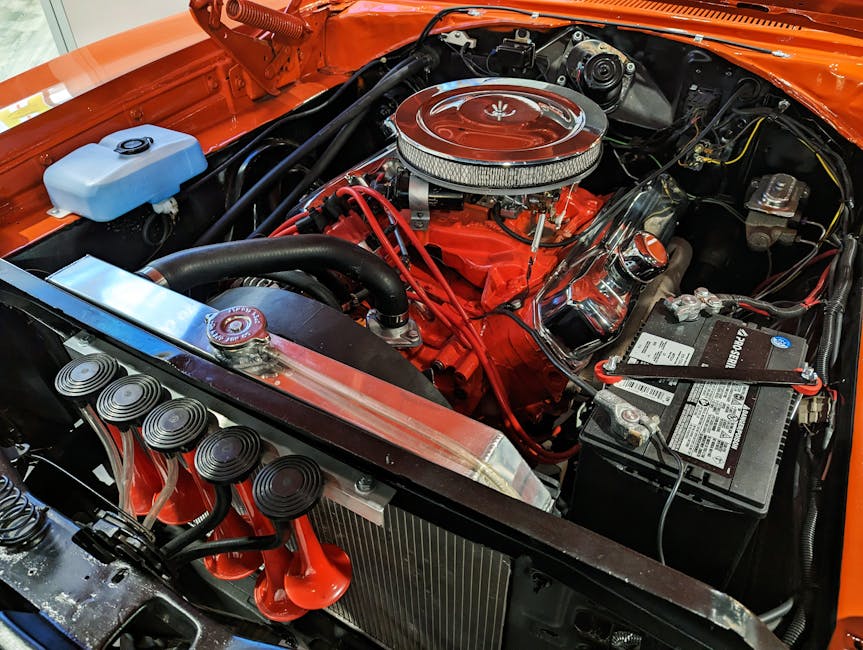
Engine Cooling System Flow
Common Ventilation Issues and Their Causes
1. Clogged Air Filters
Restrict airflow to the engine and cabin, reducing efficiency and comfort.
Regular replacement (every 12,000–15,000 miles) prevents performance loss.
2. Stuck Blend Doors
Fail to route air to heating or cooling modes, leaving drivers without climate control.
Often require dash removal to inspect and repair.
3. Weak Cooling Fan Performance
Engine temperature climbs if the fan doesn't engage when needed.
Electrical faults or bearing wear typically trigger the problem.
4. Radiator Leaks or Blockages
Coolant loss and mineral buildup reduce heat transfer.
Preventive flushing every 50,000 miles extends radiator lifespan.
The Intersection of Passive and Active Cooling
Passive systems—grille openings, hood vents, rear quarter panels—rely on vehicle motion to push air through the engine bay.
Active systems use electric fans and pumps to maintain airflow when the car is stationary or moving slowly.
Smart integration of both reduces energy consumption and keeps temperatures stable across varying driving conditions.
According to SAE thermal management standards, proper ventilation directly impacts fuel economy and emissions control.
Cabin Climate Control Ductwork

Future of Automotive Ventilation
Electric vehicles demand new cooling strategies—battery thermal management rivals engine cooling in complexity.
Heat pump technology and phase-change materials are entering production models to improve efficiency.
Predictive climate systems now learn driver preferences and adjust cabin conditions before they become noticeable.
Quieter fan designs and integrated air quality monitoring continue to reshape how manufacturers approach ventilation.
The Bottom Line
Automotive ventilation is often invisible—until it fails.
Understanding the mechanics behind airflow, cooling, and cabin climate helps owners spot problems early and make informed upgrades.
Whether factory or aftermarket, a well-designed ventilation system extends vehicle lifespan and ensures every drive stays comfortable and safe.