How Modern Ventilation Systems Improve Engine Performance
From crankcase airflow to cabin climate control, ventilation engineering shapes reliability and comfort.

Ventilation in automotive design operates on multiple fronts—engine cooling, crankcase pressure relief, cabin air quality, and underhood thermal management all depend on proper airflow.
In 2026, as vehicles grow more densely packed with electronics and powertrains shift toward electrification, ventilation engineering has become a critical differentiator between OEMs and aftermarket solutions.
Understanding how these systems work reveals why passive vents often fall short, and where active management makes the difference.
The Role of Crankcase Ventilation
Crankcase ventilation (PCV) systems manage pressure and moisture buildup inside the engine block—a necessity even before emissions regs made it mandatory.
Blow-by gases escape combustion chambers and accumulate below the pistons. Without relief, pressure rises, seals fail, and oil degradation accelerates.
Modern PCV systems route these gases back into the intake, reducing emissions while preventing engine wear. The efficiency of this cycle depends heavily on underhood airflow pathways and vent tube design.
Engine Bay Cooling and Thermal Management
Engine compartments house not just the powerplant but alternators, battery management systems, transmission coolers, and high-voltage electronics in EVs.
Poor ventilation traps heat, accelerating component failure and reducing efficiency. Cooling system guides emphasize that underhood air circulation is as critical as coolant flow.
Passive air gaps are often insufficient; modern vehicles rely on hood vents, panel design, and sometimes active ducting to pull hot air away from sensitive components.
Key Ventilation System Components
Cabin Ventilation and Air Quality
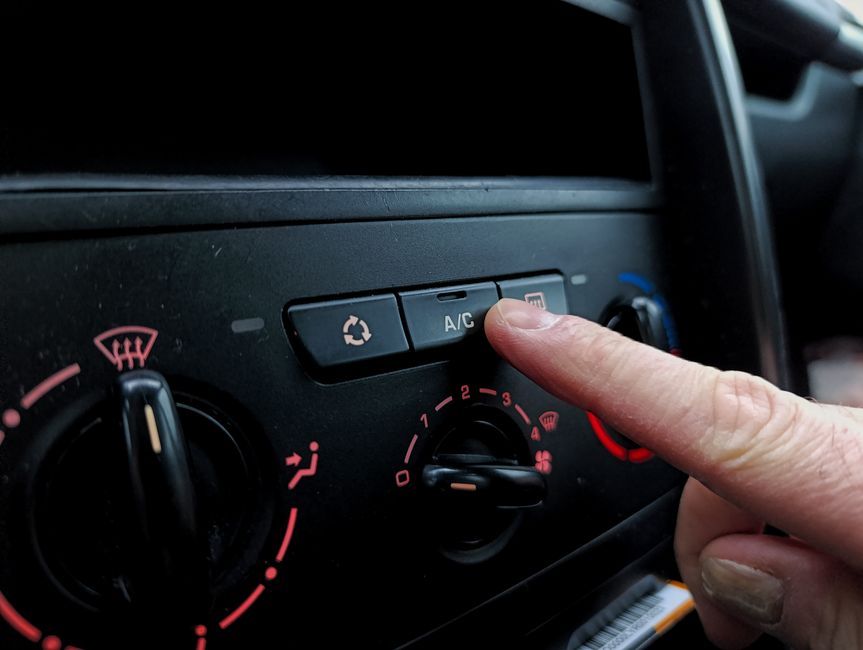
Interior air quality depends on fresh-air intake design and recirculation dampers. Poor cabin ventilation creates fogging, odor buildup, and potential mold growth.
The cabin air intake location matters—sited too low invites puddle splash; too high may ingest hot engine-bay air during idle. SAE standards govern intake positioning and filtration effectiveness to ensure occupant comfort and safety.
Auto Ventshade and similar aftermarket ventilation products address a common retrofit gap: many OEM designs lack optimized intake angles or allow excessive hot-air recirculation during highway driving.

OEM vs. Aftermarket Ventilation Trade-offs
OEM Systems
- Integrated into body design and thermal modeling
- Sealed against water ingress during development
- Optimized for specific powertrain configurations
Aftermarket Solutions
- May prioritize aesthetics over airflow efficiency
- One-size-fits-all approach can miss edge cases (track use, high idle)
- Retrofitting ventilation vents requires careful planning to avoid water leaks
Why Ventilation Matters at Scale
Fleet operators and performance enthusiasts both see ventilation failures cascade. A clogged cabin filter starves the HVAC system; poor underhood airflow bakes ECUs and battery packs.
In electric vehicles, thermal management is even more critical—battery cooling must compete for airflow with cabin conditioning.
Understanding your vehicle's ventilation weak points—and addressing them before failure—separates preventive maintenance from reactive repair work.
The Details Matter
Ventilation systems rarely get the attention they deserve in automotive discussions. Yet they govern engine longevity, cabin comfort, and thermal safety.
Whether you're managing a fleet or maintaining your own vehicle, inspecting vents, filters, and ducting twice yearly pays dividends in reliability and performance.